
Osteopathy coming soon...
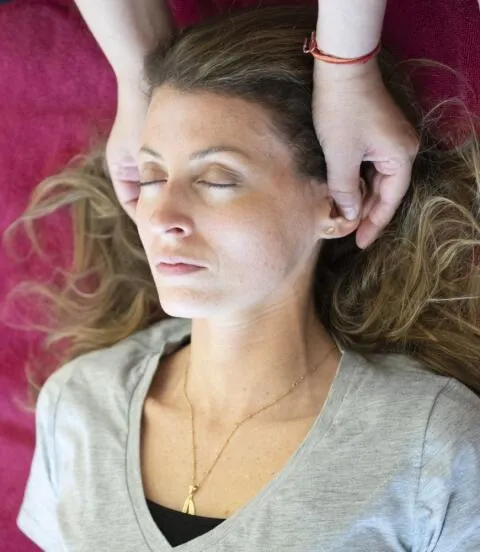
Osteopathy works with the whole body its structure, its organs and its nervous system through precise manual techniques. Rather than targeting a single area, the osteopath looks for where mobility, tension or alignment is affecting the body's ability to function and regulate itself.
Structural osteopathy addresses joints, muscles and the spine. Visceral osteopathy works with the organs and their connective tissue. Craniosacral osteopathy engages the subtle rhythm of the central nervous system.
We are currently building our osteopathy team. Register your interest below and we will contact you as soon as appointments are available.
What osteopathy addresses
Osteopathy is not a miracle cure, but it is particularly effective where complaints cannot be clearly attributed to a single cause or where the interplay of different structures matters.
- Back, neck and pelvic pain
- Joint problems
- Recurring headaches and migraines
- Jaw and facial pain
- Digestive discomfort with structural component
- Recovery after accidents or surgery
- Pregnancy-related pain
- Infant and paediatric assessment
How does a treatment work?
A careful and comprehensive approach to manual diagnosis and treatment.
Initial consultation
About 60 minutes. We take time for your story: current complaints, pre-existing conditions, life situation. A careful manual examination follows.
Treatment plan
We openly discuss what we found, what makes osteopathic sense – and what does not. You know what you are agreeing to before we treat.
Treatment
Manual techniques across the three levels, calm and precise. You are in comfortable clothing; each step is announced.
Follow-up
Usually 2 to 6 appointments at intervals of 1 to 3 weeks. We decide together whether, when and how to continue.

What a treatment costs.
All treatments are invoiced according to Tarif 590, the standardised Swiss tariff for complementary and alternative medicine.
Osteopathy Rates:
- Initial consultation (60 MIN): CHF 180
History, examination, first treatment
- Follow-up compact (45 MIN): CHF 140
Focused treatment
- Follow-up extended (60 MIN): CHF 180
Full treatment with review
- Postoperative (60 MIN): CHF 180
Accompaniment with gentle techniques
Health insurance recognition:
Sanapurna Med Ayurvedic practitioners are EMR-recognized. Most complementary and naturopathic treatments at Sanapurna Med are covered by Swiss supplementary insurance (Zusatzversicherung / VVG).
Before starting a treatment, we recommend checking your coverage with your insurer using your therapist's Name and ZSR number before your appointment.
Cancellation policy:
- You can cancel or reschedule your appointment free of charge up to 24 hours before. Later cancellations are charged at the standart rate.
Our Team
We are actively expanding our practice. If you are a qualified professional who shares our vision, we would love to hear from you.
Frequently Asked Questions
1. Is osteopathy covered by health insurance?
Usually via supplementary insurance (complementary medicine), as our therapists are EMR or ASCA registered. Please check individually with your health insurer which therapists are recognized and what share is covered.
2. Do I need a referral?
No. You can book directly. In some cases we ask for current findings (e.g. MRI, X-ray) to complete the picture.
3. How many appointments are needed?
It depends on the assessment. Acute topics often need 2–4 sessions; chronic patterns require patience – we decide together and evaluate the progress transparently.
4. Does the treatment hurt?
In most cases no. Some techniques can be briefly uncomfortable but are never painful. You set the pace at any time.
5. Can I use osteopathy alongside conventional medicine?
Absolutely – that is our understanding. We see our work as complementary. If your GP or specialist is involved, we coordinate.
6. What should I bring to the first session?
Current findings (if available), a list of medications and comfortable clothing. Insurance card for billing.